seismic wire, also known as geophones or seismometers, is a critical component in measuring seismic activity. These devices are used in a variety of applications, including earthquake monitoring, geophysical exploration, and industrial monitoring. In this article, we will dive deeper into what seismic wire is, how it works, and its importance in the field of seismology.
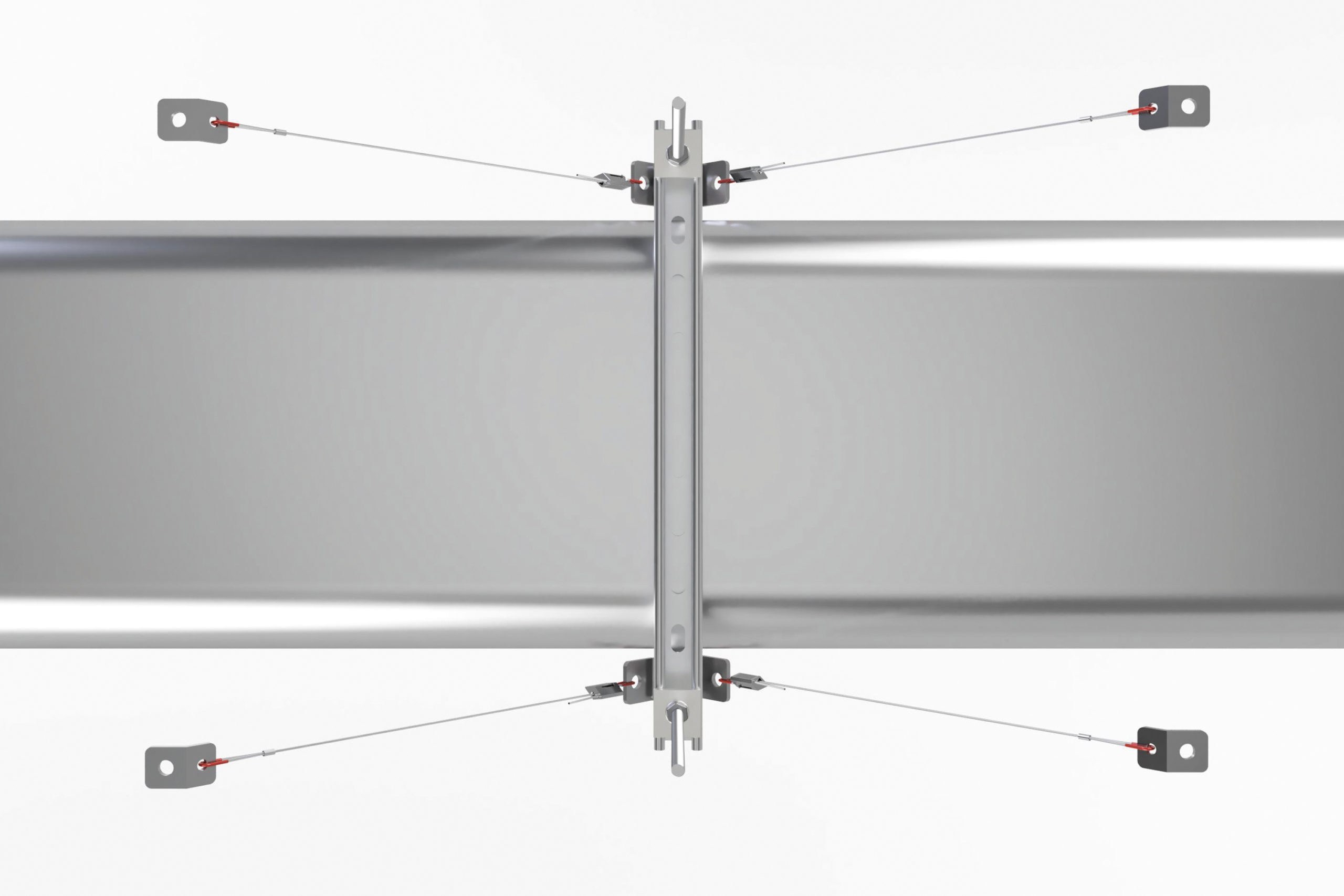
seismic wire is a specially designed cable that consists of multiple geophones spaced along its length. Geophones are sensors that convert ground vibrations into electrical signals, which can then be analyzed to determine the intensity and direction of seismic activity. These sensors are typically buried underground or installed on the surface of the earth in a grid pattern to capture seismic waves effectively.
The primary function of seismic wire is to detect and monitor seismic waves generated by earthquakes, explosions, or industrial activities. By measuring these waves, scientists can track the movement of the earth’s crust, identify potential fault lines, and assess the risk of seismic events in a particular area. This information is crucial for earthquake early warning systems, land-use planning, and infrastructure design in seismically active regions.
One of the key advantages of seismic wire is its ability to provide real-time data on seismic activity. The geophones in the cable can detect even the smallest ground movements, allowing scientists to monitor subtle changes in the earth’s crust that may indicate an impending earthquake. This early warning system can save lives and prevent costly damage to buildings and infrastructure.
In addition to earthquake monitoring, seismic wire is also used in geophysical exploration to map subsurface geological structures. By analyzing the seismic waves generated by controlled sources such as explosives or vibrators, geophysicists can create detailed images of the rock layers beneath the earth’s surface. This information is essential for mineral exploration, oil and gas prospecting, and environmental studies.
The installation of seismic wire is a complex process that requires careful planning and precision. The geophones must be spaced at regular intervals along the cable to ensure uniform coverage of the monitored area. The cable itself must be buried at the correct depth and orientation to minimize interference from external sources of noise, such as traffic or construction activities.
Once the seismic wire is installed, it is connected to a data acquisition system that records and processes the signals from the geophones. This system typically includes a central unit for data storage and analysis, as well as communication devices for transmitting the data to a monitoring station. The data can be displayed in real-time on computer screens or stored for later analysis by seismologists and geophysicists.
In recent years, advances in technology have led to the development of wireless seismic networks that eliminate the need for physical cables. These networks use radio or satellite communication to transmit data from remote geophones to a central monitoring station, allowing for faster deployment and greater flexibility in monitoring seismic activity. However, traditional seismic wire remains a reliable and cost-effective solution for many applications.
In conclusion, seismic wire plays a crucial role in measuring and monitoring seismic activity for a wide range of applications. Whether used for earthquake early warning systems, geophysical exploration, or industrial monitoring, these devices provide valuable data that helps scientists understand the dynamic forces at work beneath the earth’s surface. As technology continues to advance, the future of seismic wire looks promising, with new innovations improving the accuracy and reliability of seismic monitoring systems.